An on-grid installation is not just panels fixed to a roof: it is a controlled connection between your building, inverter, electrical protection and the MSEDCL network. By following the process from bill review to meter replacement and commissioning, you can judge whether a proposed system is suitable, what it will do during an outage and whether a dealer’s quotation covers the work required.
Key takeaways
- An on-grid inverter shuts down during a power cut unless battery backup is installed.
- Demand a load survey, 12-month bills, roof inspection and phase assessment before sizing.
- Confirm MSEDCL approval, net-metering documents and bidirectional meter responsibility in writing.
- Compare warranties, commissioning tests, monitoring access and post-installation service—not just price.
How an on-grid system behaves before, during and after a power cut
Before a power cut, solar panels feed a grid-tied inverter, which synchronises with the MSEDCL supply. Your premises use the solar electricity first; surplus passes through a bidirectional meter to the grid, while the meter records electricity imported after solar production falls. A net-metered bill is adjusted under the applicable Maharashtra rules and tariff order.
1. Before the outage, confirm that the dealer has completed the utility process. An on grid solar system installation in Nashik is not officially grid-connected because someone switches on the inverter. MSEDCL approval, commissioning records, testing and an import-export meter are part of the connection.
2. During the outage, the inverter stops energising your circuits, even when sunlight is strong. Its anti-islanding protection prevents rooftop electricity from back-feeding a supposedly dead MSEDCL feeder and protects line workers. A standard on-grid system therefore does not run lights, pumps or appliances during a cut.
3. After the supply returns, the inverter checks grid voltage and frequency, waits through its reconnection sequence, then synchronises again. Solar generation resumes when conditions pass its protection settings.
Panels alone cannot provide backup power. To keep selected circuits running, you need a battery, a hybrid inverter and engineered changeover or islanding equipment; ask the installer exactly which circuits remain energised during an outage.
What the dealer must inspect before choosing system capacity
Size the array from your daytime electricity demand, approved connection capacity and export limits—not from roof area alone. The solar dealer installation process should review at least 12 months of bills, identify loads such as pumps, refrigeration and machinery that run between 9 a.m. and 4 p.m., and model self-consumed units separately from exported units.
| Input | What the dealer checks | Capacity consequence |
|---|---|---|
| Daytime demand | Load profile, monthly kWh and planned operating hours | A smaller array can deliver better value when most solar is used on site |
| Roof | Usable area, orientation, shade, structure, waterproofing and mounting zones | Parapets, tanks or weak slabs can reduce the array or add structural work |
| Electrical connection | MSEDCL consumer number, sanctioned load, contract demand, service cable and phase arrangement | The proposal may need a load upgrade or service-cable replacement |
| Distribution network | Feeder and distribution-transformer capacity available for export | A large design can face an export limit or delay even with sufficient consumption |
Ask for a roof walkover, shade assessment and structural check before accepting the quotation. Confirm the roof owner’s permission, roof age, repair responsibility, mounting penetrations, cable route, inverter location, earthing and lightning-protection arrangement.
The dealer must also compare the proposed inverter output with the main distribution board, isolator rating and point of common coupling. Obtain the single-line diagram showing the meter, protection devices and connection route.
If the quote assumes a sanctioned-load increase, transformer work, elevated structure or roof repair, demand each item as a separate cost and responsibility.
How MSEDCL approval and net-metering turn an array into a grid connection
MSEDCL approval and the bidirectional meter make the array an official grid connection; switching on the inverter does not. A solar dealer on grid power system installation in Nashik must match the design to your MSEDCL consumer number, sanctioned load or contract demand, service connection and distribution transformer capacity.
The utility sequence is:
1. Submit the online application using the latest electricity bill, consumer number, applicant identity and address proof, sanctioned-load details, ownership documents or the owner’s NOC, and the proposed system capacity.
2. Obtain MSEDCL’s feasibility approval before fixing the final interconnection design. Ask for the approved capacity, conditions, application reference and any meter or inspection charges.
3. Install the panels, inverter, protection, earthing and cabling according to the approved single-line diagram. The dealer then submits commissioning papers, inverter and module datasheets, test reports, photographs and the required declarations.
4. Make the installation available for MSEDCL inspection or testing. Correct protection, wiring or documentation defects before requesting meter work; a failed inspection delays energisation.
5. Have MSEDCL install or replace the import-export meter and record the opening reading. Only then should the system be treated as grid-connected.
Your bill will record electricity imported from MSEDCL and surplus energy exported to the grid, with credits or adjustments governed by the applicable Maharashtra distributed-generation rules and tariff order. Confirm who pays meter charges, handles rework and submits documents.
Model daytime self-consumption separately from exports, because a unit used on site can have a different value from a credited exported unit.
What equipment, roof work and commissioning should be included
A signed design must become a safe electrical installation before anyone switches on the inverter. The scope should cover roof access, mounting and wiring, not just delivery of panels.
- Inspect the roof structure, waterproofing, parapets, shade sources and fixing zones; repair defects before installing rails or elevated frames.
- Install modules on corrosion-resistant mounting rails, with sealed penetrations and safe maintenance access.
- Install DC cables in UV-resistant conduit, correctly crimped connectors, string fuses where required, DC isolators and surge protection.
- Mount the inverter in a ventilated, shaded, accessible location, then connect the AC isolator, distribution board, earthing, lightning protection and point of common coupling.
- Label every isolator, cable and warning point, and leave the roof, inverter and meter area clean and accessible.
Before energising, the installer must test each string rather than assume identical wiring. The commissioning file should record module and inverter serial numbers, string open-circuit voltage, operating current, polarity, insulation resistance, earth continuity, protection settings and inverter synchronisation results.
Do not accept “the inverter is on” as grid connection. A solar power system supplier in Nashik must coordinate commissioning documents, utility inspection or testing, and installation or replacement of the bidirectional import-export meter before official operation. Ask who pays for inspection rework, meter charges and protection changes.
Photon Energies is one dealer you can ask to identify these responsibilities in writing. Obtain the single-line diagram, test sheets, photographs, warranties, shutdown instructions and a statement confirming what remains energised during a grid outage.
Related products
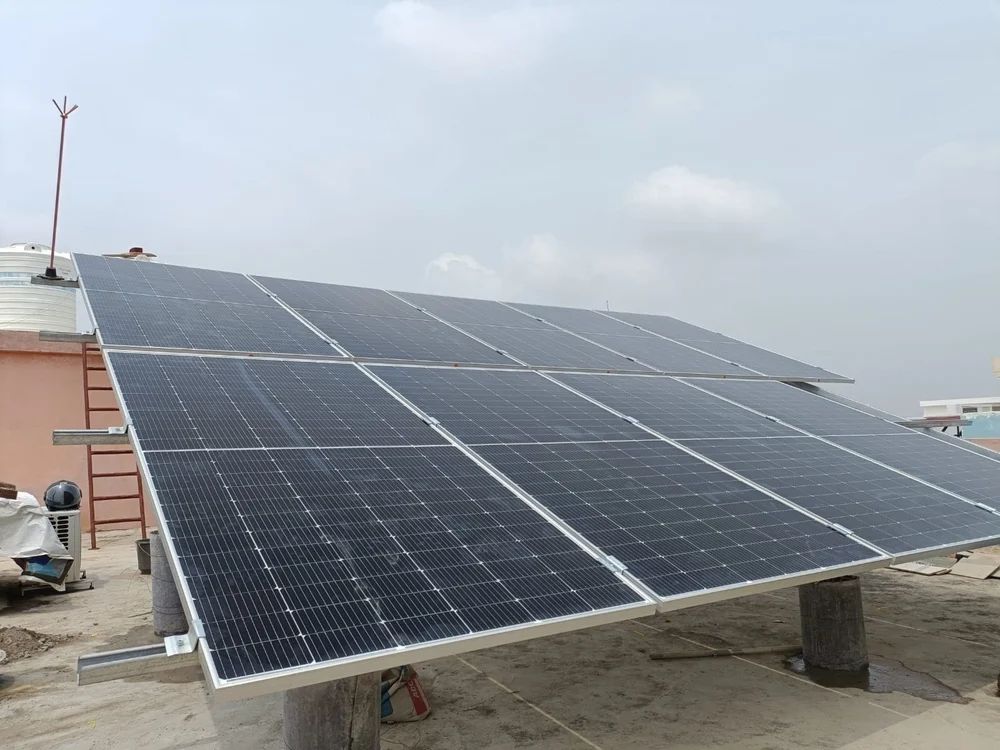 | Solar Power System Capacity 4 kW Warranty of Solar Panel 10 - 24 years Usage Commercial Type Rooftop Country of Origin Made in India Established as a Partnership firm... View product → |
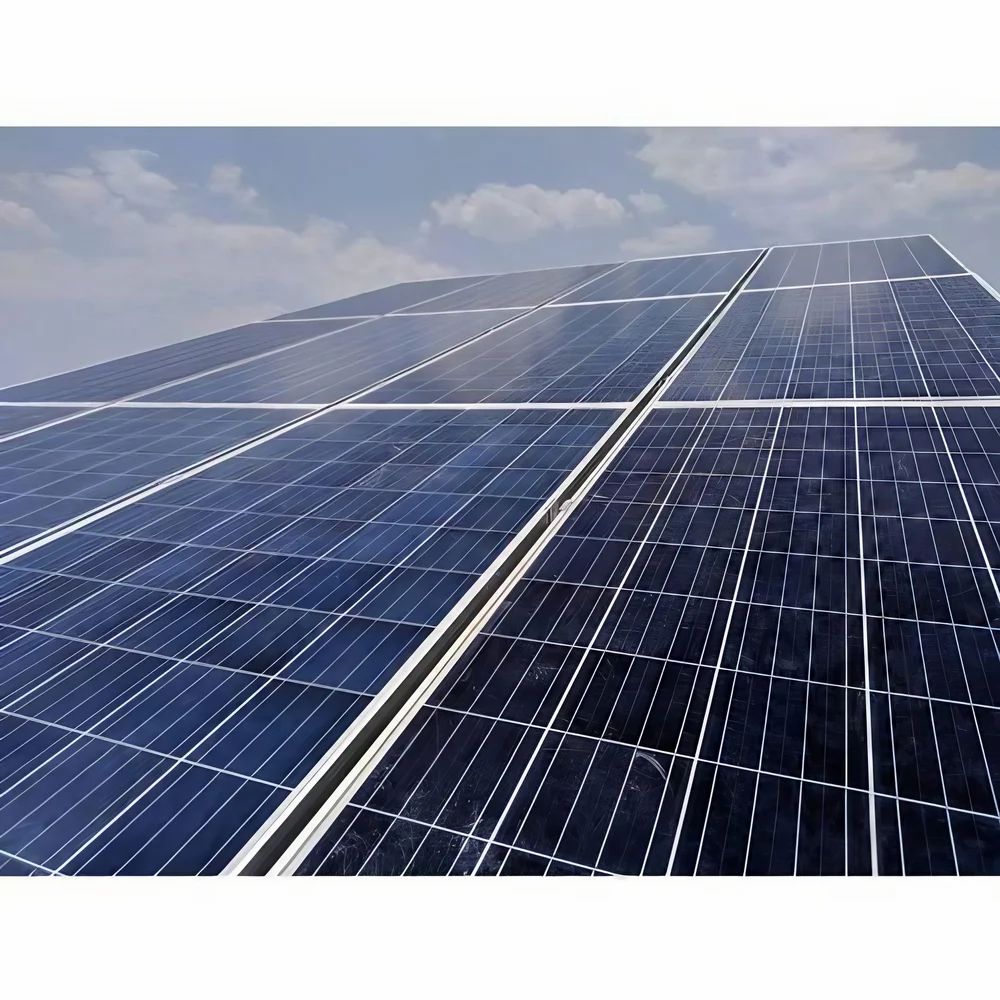 | Solar Power System Capacity 10 KW Type Of Plant Grid Tie Warranty Of Solar Panels 2 - 5 Years*, 25 Years** Country of Origin Made in India Established as a Partnership... View product → |
How to compare the quotation, savings case and long-term responsibility
Treat the quotation as an engineering proposal, not a panel price. The solar dealer installation process should show the surveyed roof area, shadow losses, sanctioned load, annual and daytime consumption, inverter capacity, string layout, cable route, earthing and MSEDCL application responsibilities.
| Compare | Credible evidence | Warning sign |
|---|---|---|
| Equipment | Module and inverter make, exact model, datasheets, serial-number records and Indian warranty terms | “Tier 1” or “premium” without model numbers |
| Price | Separate equipment, structure, installation, approvals, meter charges, taxes and exclusions | A low total that omits net-metering or roof work |
| Savings | Twelve months of bills, tariff slab, daytime use, export assumptions, system losses and degradation | Savings based only on annual sunshine or maximum generation |
| Responsibility | Written coverage for product defects, workmanship, leaks, monitoring, utility corrections and service response | Warranty promised verbally or assigned to an unnamed manufacturer |
For on grid solar system installation in Nashik, test the savings claim against your actual bills: estimate solar used directly, exported units, applicable MSEDCL credit and the bill that remains after fixed charges. Ask the dealer to show the calculation at lower generation, not only the best-case estimate.
Before paying the balance, obtain:
- Single-line diagram, module and inverter datasheets, warranties and commissioning photographs.
- String open-circuit voltage, operating current, insulation resistance, polarity, earth-continuity and protection-setting results.
- The MSEDCL application status, feasibility approval, bidirectional-meter responsibility and commissioning record.
- Shutdown instructions, monitoring access and a written statement of what remains energised during a grid outage.
A system is not officially grid-connected because the inverter switches on; utility approval, testing and the import-export meter must be accounted for.
Frequently asked questions
What happens to an on-grid solar system during a power cut?
The grid-tied inverter disconnects the solar array from the premises and grid to prevent unsafe back-feeding. Panels resume supplying power after the MSEDCL connection returns and the inverter completes its reconnection checks. Battery backup or a hybrid system is required for power during an outage.
What should a solar dealer inspect before choosing system capacity?
The dealer should review at least 12 months of electricity bills, maximum demand, sanctioned load, daytime consumption, phase arrangement, roof area, shading, roof structure, cable routes and the main distribution board. The proposed capacity should match usable roof space and daytime loads, not only annual consumption.
How does MSEDCL approval and net-metering work for a rooftop system?
The installer submits the required application and system details through the MSEDCL process, coordinates inspection and approval, and arranges installation or replacement of the bidirectional meter where required. The meter records imported and exported electricity, and the bill applies the credit under the applicable Maharashtra tariff order and rules.
What should an on-grid solar installation quotation include?
Require panel and inverter models, rated capacity, mounting structure, DC and AC protection, earthing, lightning protection, cables, monitoring, roof sealing, scaffolding, approvals, meter work, commissioning tests, warranties and exclusions. The quote should identify who handles each MSEDCL document and repair responsibility.
How should you compare solar quotations and long-term responsibility?
Compare expected annual generation, assumptions about shade and degradation, equipment warranties, workmanship coverage, monitoring, cleaning access, response times, replacement terms, approval fees and tax treatment. Check whether savings depend on exporting surplus electricity and whether the dealer remains responsible after commissioning.
Related products
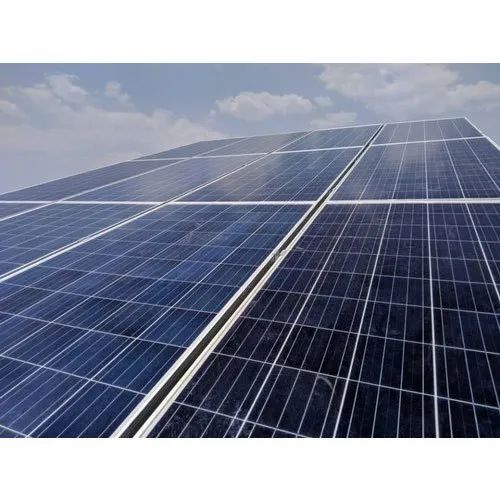 | Solar Power System Capacity 43 KW Type Of Plant Grid Tie Usage/Application Industrial Warranty Of Solar Panels 25 Years** Established as a Partnership firm in the year... View product → |
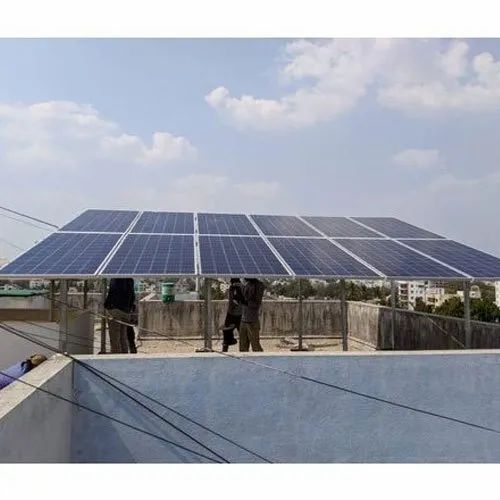 | Solar Power System Capacity 5 kw Usage/Application Home Other Components Mounting Structure Type Of Plant Grid Tie IP Rating IP45 Warranty Of Solar Panels 10 - 24... View product → |
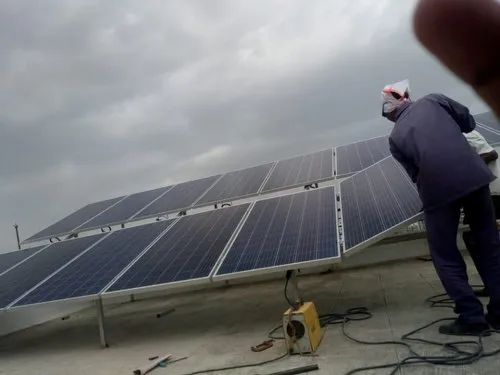 | Solar System Solar Pv System Installation Service Service Location pan india time standard delivery time packging box payment mood online offline duration 2-3 days We at Photon Energies Provides our... View product → |
Keywords